12 Fun Facts About Real Puffins
Burrows, pufflings, beaks that change colour and wings that work underwater: twelve true things about the real Atlantic puffin.
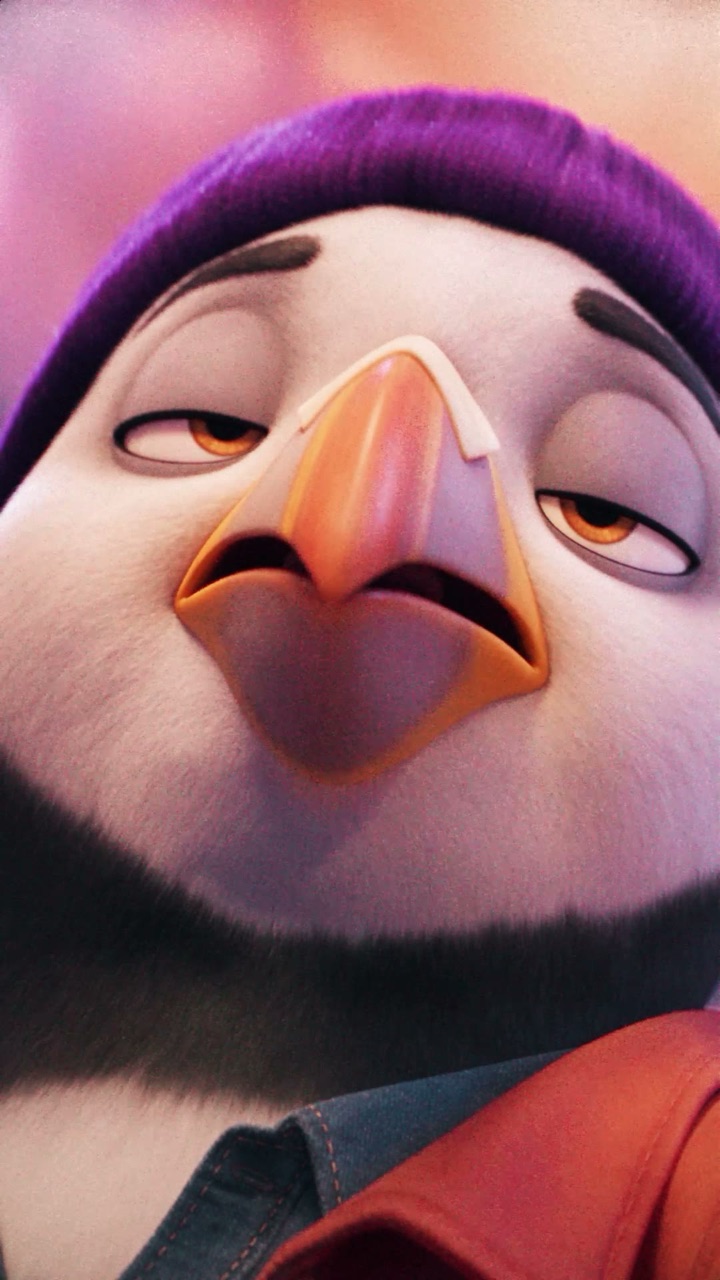
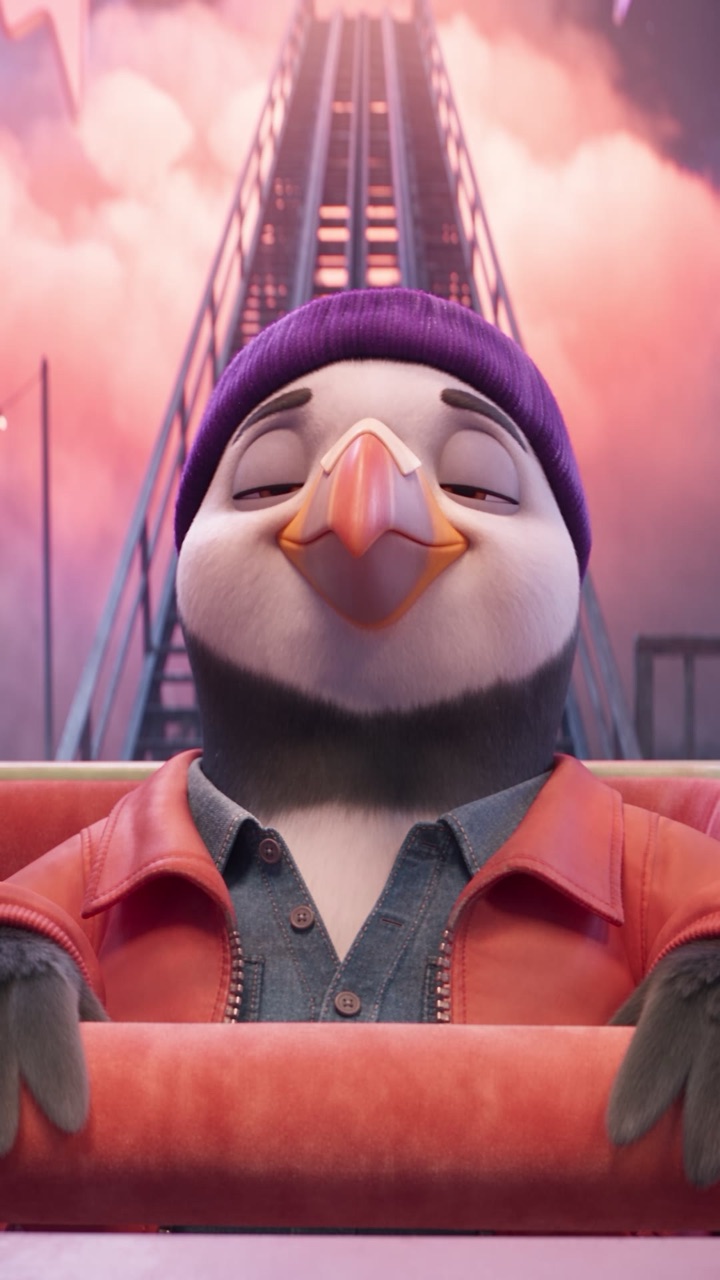
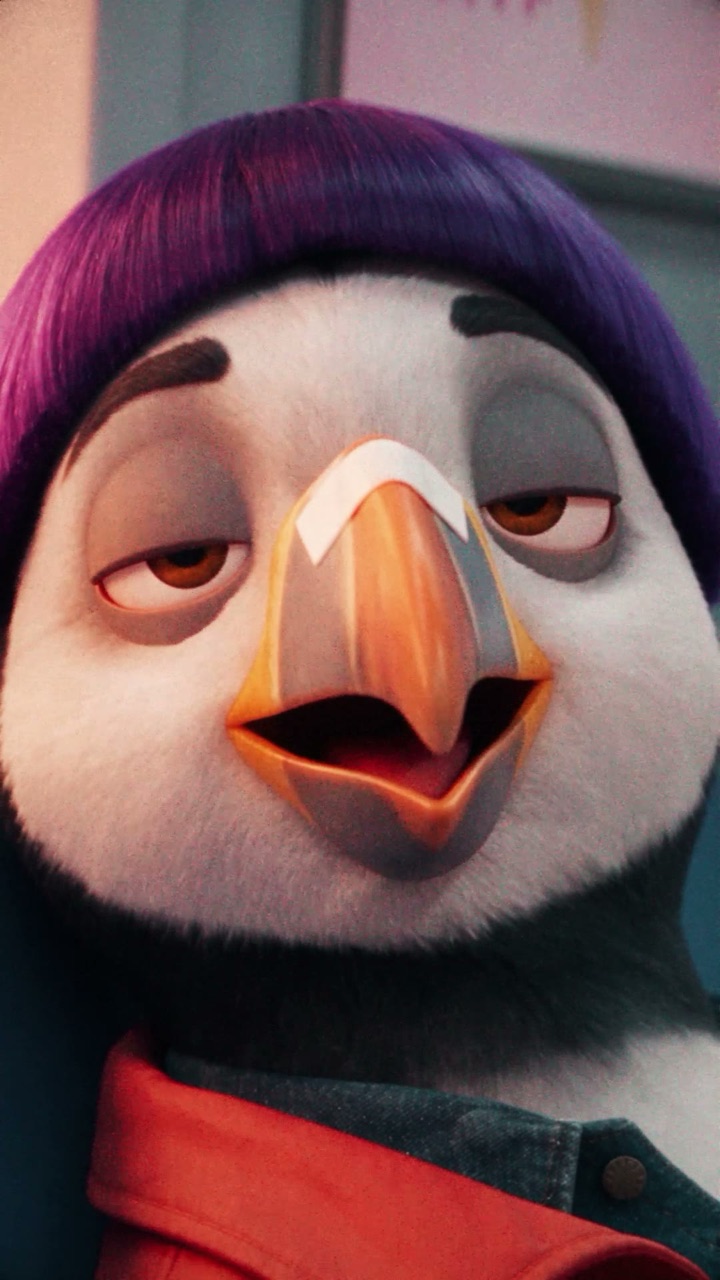
Our Puffin wears a beanie, rides the night metro and has very strong opinions about ice cream. Real puffins do none of these things. But they are, if anything, even more wonderful.
The bird behind our character is the Atlantic puffin, Fratercula arctica, a small seabird of the North Atlantic. Here are twelve well-established facts about them, with a few comments from someone who knows the family personally.
1. Their name means “little brother”
The scientific name Fratercula comes from Latin and is usually translated as “little brother” or “little friar”. It is often said to refer to their black and white plumage, which some people thought looked like a monk’s robes, or to the way they seem to hold their feet together as if in prayer when they take off.
Puffin’s aside: I prefer “little brother”. It sounds like someone who would share his pizza.
2. They live in big colonies
Atlantic puffins breed in colonies on coastal cliffs and offshore islands around the North Atlantic, from Iceland, Norway and the Faroe Islands to the British Isles, northern France, Canada and the northeastern United States. Some colonies are huge, with many thousands of pairs. Iceland is home to a particularly large share of the world’s Atlantic puffins.
3. They nest in burrows
Unlike many seabirds that lay eggs on bare ledges, puffins usually nest in burrows. They dig them into soft, grassy soil on cliff tops using their beaks and feet, or use natural cracks among rocks and boulders. A burrow can be quite long, with a nesting chamber at the end.
Puffin’s aside: a cosy room at the end of a tunnel. You can see where I get it from.
4. One egg per year
Each pair normally lays just a single egg per breeding season. Both parents take turns to incubate it, often tucking it under a wing against their body for warmth.
5. The chick is called a puffling
Yes, really. A baby puffin is called a puffling. It is a fluffy, dark grey ball of down that stays safely in the burrow while both parents bring it fish. After several weeks, the puffling leaves the burrow, usually at night, and heads out to sea on its own.
In the Westman Islands of Iceland, some pufflings are confused by town lights and land in the streets instead of reaching the sea. Local families, especially children, have a long-standing tradition of gathering them up in boxes and releasing them safely at the shore.
Puffin’s aside: I was distracted by city lights too. I just never went back.
6. Their beaks change colour
That famous bright beak, striped with orange, yellow and blue-grey, is mostly a breeding-season look. After the breeding season, puffins shed the colourful outer plates of the bill, and their beak becomes smaller-looking and duller over winter. Their faces darken too. In spring, the bright colours return in time for the colony.
Even puffins have a summer look and a winter look. Mine just happens to include a purple beanie all year round.
7. They “fly” underwater
Puffins are excellent divers. They use their wings to swim, beating them underwater in a motion very similar to flying, and use their feet to steer. They can dive well below the surface to catch small fish.
8. They carry fish crosswise
One of the most famous puffin images is a bird with a row of small silver fish hanging from both sides of its beak. Puffins can hold several fish at once, lined up crosswise, thanks to a rough, spiny tongue and backward-pointing ridges on the inside of the bill. That means they can keep hold of the fish they have already caught while they go after the next one.
Puffin’s aside: this is the original “just one more”. Ask any puffin.
9. They eat small fish
Their diet is mostly small fish such as sand eels, sprats, capelin and young herring, depending on where they live. The health of puffin colonies is closely linked to how much of this food is available near their breeding grounds.
10. They flap very fast
Puffins have short wings for their body size, which is great for swimming but means they have to flap extremely quickly to stay airborne, hundreds of times a minute. Their landings are famously not always graceful.
Puffin’s aside: nobody is in a hurry less than me. But I admit my relatives look very busy.
11. They spend winter at sea
Outside the breeding season, Atlantic puffins leave land completely and live out on the open ocean, often far from the coast. They rest and feed on the water through the stormy months. Because they are so hard to observe there, much about their winter life has only been learned relatively recently with tracking studies.
12. They are listed as Vulnerable
On the global IUCN Red List, the Atlantic puffin is classified as Vulnerable. Populations in some important parts of their range have declined, and the main concerns discussed by scientists include changes in food supply linked to a changing ocean, as well as other pressures on the marine environment. Many colonies are protected, and some are carefully monitored every year.
A bonus: they are loyal
Puffins can live for a long time, often well over twenty years, and pairs frequently return to the same burrow and the same partner season after season. When they reunite, they often greet each other by tapping and rubbing their beaks together, a behaviour known as billing.
Puffin’s aside: long life, the same cosy home, and a good friend to come back to. Honestly, the real puffins figured it out before I did.
See them for yourself
If these facts have made you want to see a real puffin colony, we have put together a guide to where to see real puffins in Europe, with notes on watching them responsibly. And if you would like to know how the real bird became our character, read how Puffin was drawn.
Facts about wildlife are always being refined by new research, so for the latest on puffin populations and conservation, look to official sources such as the IUCN and national bird conservation organisations.