Where to See Real Puffins in Europe
From Icelandic cliffs to Welsh islands: the best places in Europe to watch real Atlantic puffins, and how to do it kindly.

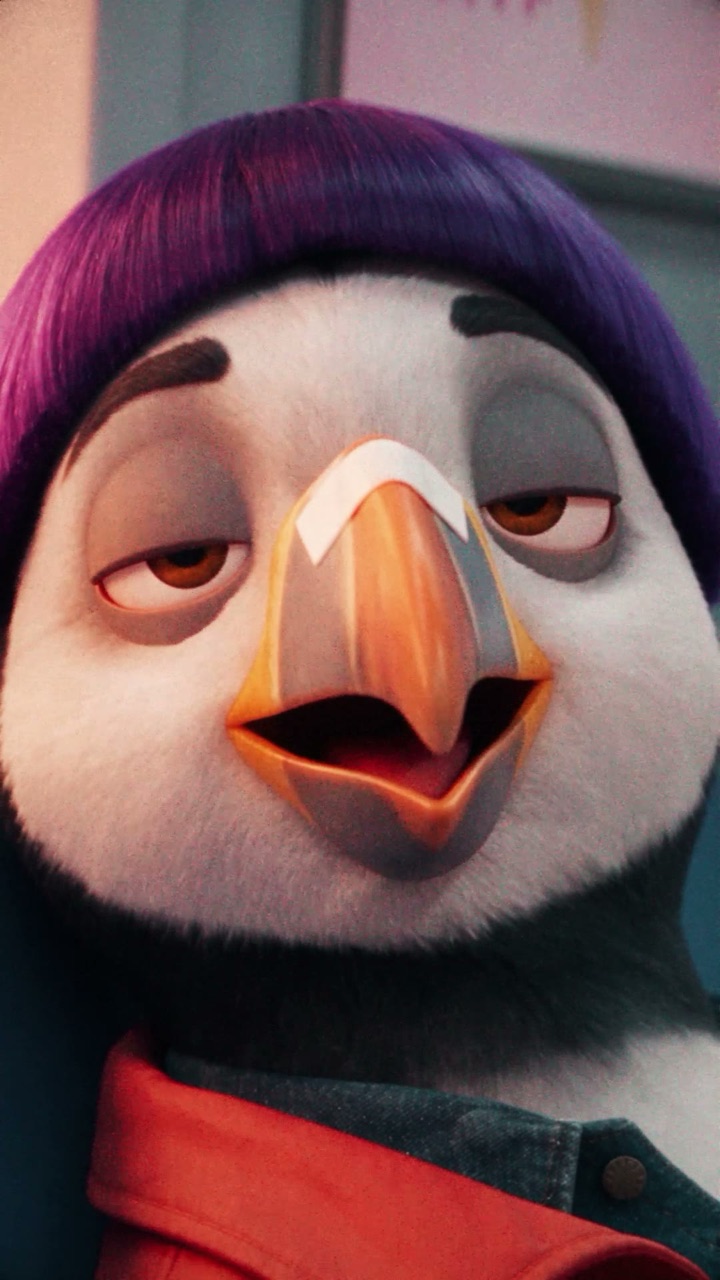
Our Puffin left his cliff for the big city. His relatives, sensibly, stayed by the sea. And every year, from late spring into summer, they return to some of the most beautiful islands and coastlines in Europe to raise their pufflings.
If you’d like to visit them, here is a gentle guide to some of the best-known places to see real Atlantic puffins, plus a few rules for doing it in a way the birds would approve of.
A note on timing: puffins are generally on land roughly from late spring to mid or late summer, but the exact season varies by place and by year, and boat trips depend on the weather. Always check with official tourism boards, reserve managers or local operators before you plan.
Iceland
Iceland is home to a very large share of the world’s Atlantic puffins, so it is no surprise that it is where our Puffin was born.
- Westman Islands (Vestmannaeyjar). Off the south coast, reached by ferry, the islands host one of the largest puffin colonies in the world. The main island, Heimaey, is also where local children traditionally help stray pufflings find their way to the sea at the end of summer.
- Borgarfjörður eystri. A small village in the far east of Iceland, where the little harbour islet of Hafnarhólmi has viewing paths and platforms that let you watch puffins at close range without disturbing them.
Iceland’s official tourism board, Visit Iceland, is a good place to start your planning.
Faroe Islands
- Mykines. The westernmost of the Faroe Islands is famous for its dramatic green slopes full of puffin burrows. Getting there involves a ferry or helicopter, both very dependent on the weather, and access to the hiking trail is managed, so check the current arrangements well in advance.
Norway
- Runde. An island on Norway’s west coast, connected to the mainland by bridge, with steep bird cliffs that host a large puffin colony along with many other seabirds. Puffins are often seen returning to the cliffs in the evening, which feels very fitting.
Scotland
- Isle of May. A National Nature Reserve at the mouth of the Firth of Forth, reached by boat in the summer season. It is one of the most important puffin colonies on the east coast of Britain.
- Lunga, Treshnish Isles. A small uninhabited island off the west coast, usually reached on boat trips from the Isle of Mull area. Visitors can often sit quietly near the cliff top while the puffins go about their business remarkably close by.
The trick with puffins is the same as the trick with sunsets. Sit still, be quiet, and give it one more minute. That is usually when the magic happens.
Wales
- Skomer. Off the Pembrokeshire coast, Skomer is a nature reserve known for its large puffin colony and for the many burrows close to the paths. Day visits are by boat in season, with limited numbers, and landing depends on sea conditions.
Ireland
- Saltee Islands. Privately owned islands off the coast of County Wexford, with a large seabird population including puffins. Day visitors are welcomed on the owners‘ terms, usually by boat from Kilmore Quay. Check the current visiting conditions before you go.
- Skellig Michael. A rocky island off County Kerry and a UNESCO World Heritage Site, famous for its early medieval monastic settlement as well as its puffins. Landing is limited and strictly regulated, the steps are steep, and trips are often cancelled due to weather, so this one needs careful planning.
England
- Farne Islands. Off the Northumberland coast, reached by boat from Seahouses, the Farnes are home to a well-known puffin colony and many other seabirds. The islands are cared for by a conservation organisation, and landing arrangements can vary from season to season.
How to watch puffins kindly
Puffin colonies are fragile places. The burrows are easy to collapse, the birds are busy feeding their chicks, and many of these sites are protected reserves. A few simple rules go a long way:
- Keep your distance. Puffins can seem very relaxed around people, but let them come to you rather than approaching them. If a bird changes its behaviour because of you, you are too close.
- Stay on the paths. The ground beneath your feet may be full of burrows with eggs or pufflings inside. Stepping off the marked route can crush them.
- No drones. Drones disturb nesting seabirds and are banned or restricted at many colonies. Leave yours at home.
- Never feed or touch the birds. Don’t block the entrances to burrows, and never try to pick up a puffin or puffling.
- Keep quiet and move slowly. Sit down, settle in, and let the colony carry on around you.
- Follow local guidance. Rangers, wardens and boat crews know the colony best. Listen to them.
- Take everything home with you. Leave the islands exactly as you found them.
What to bring
- Warm, windproof layers, even in midsummer. Island weather changes quickly.
- Binoculars, or a camera with a zoom lens, so you can see the details without getting close.
- Good walking shoes for uneven paths and steps.
- Patience. Boat trips are sometimes cancelled because of the sea. That is part of island life.
Before you go
Want to know what you are looking at? Read our 12 fun facts about real puffins first, and you will spot the fish lined up in their beaks, the clumsy landings and the beak-tapping greetings. And if your route to the coast includes a long journey across Europe, our guide to night trains in Europe might make getting there half the fun.
Seasons, access rules and boat timetables change from year to year, so please always check the official sites of the reserves and local tourism boards before you travel.
Say hello to the family for us. Quietly.